
If I could offer you only one tip for the future, (understanding how to use) sunscreen would be it
Have you been using sunscreen incorrectly your whole life?

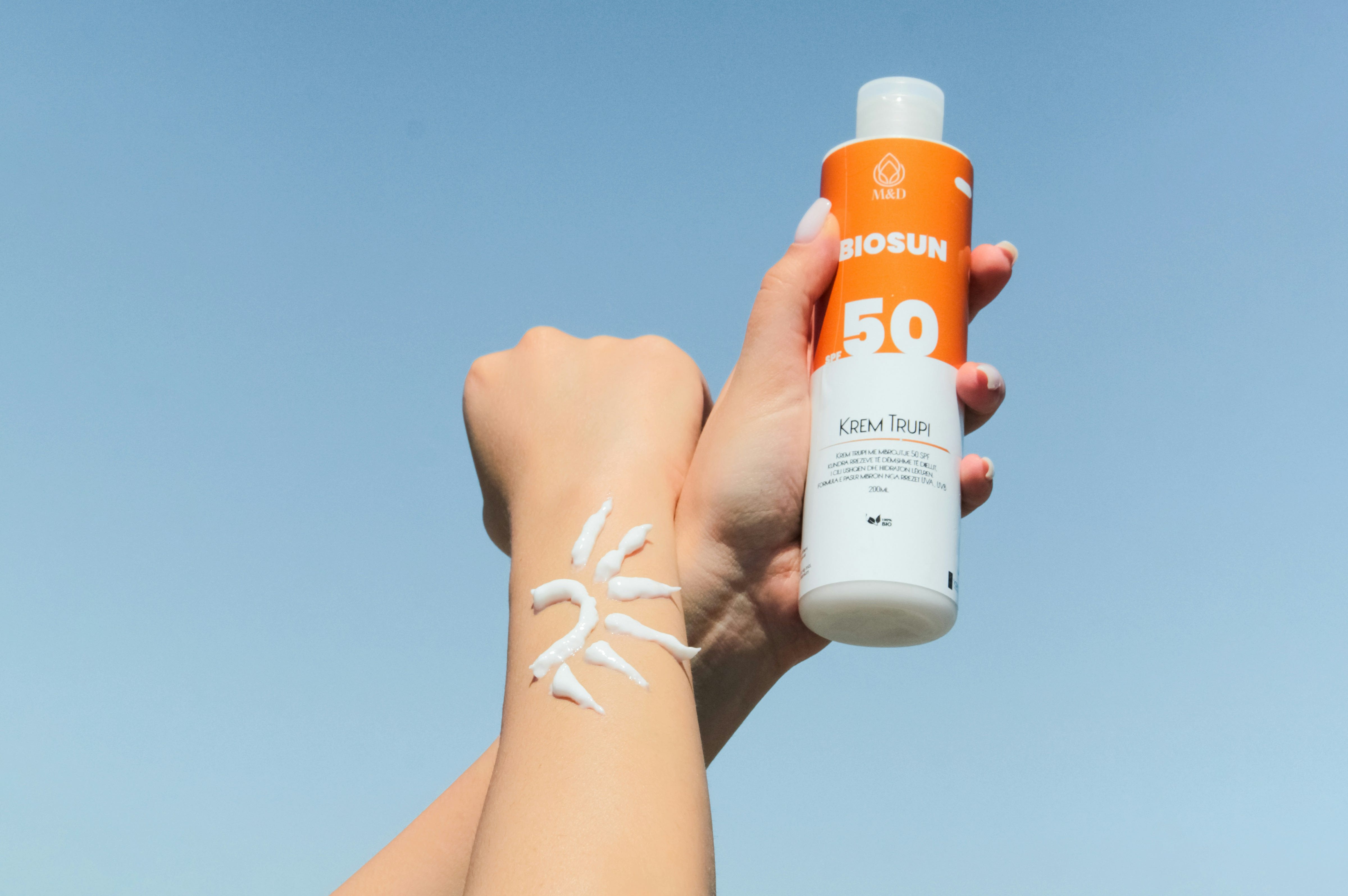
As we approach the first heatwave of the summer in the UK it’s important that we know how to look after ourselves in the hot weather. Top tips include staying hydrated by drinking cold drinks, avoiding caffeine and alcohol, taking a cool shower, wearing light airy clothing and staying inside. If you do plan to spend significant periods of time in the sun, then you’ll want to ensure you are protected from the sun’s rays.
Of the two types of ultraviolet radiation that reach the earth’s surface - UVA and UVB - UVB plays the most significant role in causing sunburn and skin cancers, so it’s important that we protect our skin using appropriate sunscreen. As I discovered when writing my last book, How to Expect the Unexpected, many people aren’t aware of what constitutes appropriate protection and how to use it.
I have two redheads in my immediate family, so when we go away as a family, as a matter of course we pack the factor 50 sunblock, even if we are holidaying in the UK. But the sun protection factor (SPF) numbering on sunscreen can be confusing. The higher the number the more damaging UVB radiation is blocked, but the relationship between the number on the bottle is not directly proportional to the amount of radiation screened out. Factor 50, for example, is not twice as effective at blocking UVB radiation as factor 25. Factor 30 does not block three times as much UVB radiation as factor 10.
When applied correctly, factor 10 blocks out 90% of all UVB radiation. Factor 30 blocks out just over 97% and factor 50 blocks out 98%. The higher you go, the smaller the level of increased protection you are afforded. The increase in SPF from 10 to 30 gains you over 7% more protection. The increase by the same numerical margin from 30 to 50 gains you less than 1% extra sun screening effectiveness. Factor 30 is usually the baseline recommended SPF by dermatologists. Lower than that and the degree of protection afforded starts to drop off quickly.
The way SPFs are often explained is by talking about the increase in exposure times different factors allow. If your skin would burn when subjected to ten minutes of exposure without any protection, then the idea is that SPF 10 would extend that time by a factor of 10 to 100 minutes. SPF 50 would extend it to 500 minutes.
The underlying maths is that you can find the total UVB radiation exposure by multiplying the exposure time and the intensity of radiation experienced. When you apply SPF 50, the duration of time you can theoretically spend in the sun without getting burned increases by a factor of 50 (hence the reason it is called a sun protection factor). If the total exposure is to be the same, to compensate for this increased time, the intensity of radiation must decrease by the same factor – 50. So factor 50 lets only 1/50 (or 2%) of the UVB radiation through, which is where the figure of 98% screening effectiveness comes from for factor 50. Similarly, factor 10 lets only 1/10 of the radiation though, blocking 9/10 or 90%.
Mathematics aside, it’s sensible to exercise caution in the sun. The SPF only refers to protection against UVB rays which cause most skin cancers and sunburn. It does not convey protection against the deeper-penetrating UVA rays which are largely responsible for premature skin ageing, but also cause some sorts of skin cancers and contribute to sunburn. Most dermatologists would recommend reapplying sunscreen every two hours since protection can diminish over time as it breaks down, dries out or is rubbed off your skin.
By talking about the link between SPF and extended duration of exposure (the idea that factor 10 allows you to stay out 10 times as long) rather than screening efficiency, the traditional explanation of SPF can mislead. We forget that effectiveness diminishes over time as the sunscreen wears off. Talking only about SPF and not the proportion of UVB rays screened out we gain a false sense of security about how long we can stay out in the sun safely.
As the summer heats up, many of us will want to make the most of the fine weather. So enjoy those outdoor parties and BBQs that we so rarely get the opportunity for in the UK. Take advantage of the opportunity to pursue the sorts of outdoor activities that our inclement winter weather so often deprives us of. But trust me on the sunscreen!
This piece is adapted from my Independent Voices piece.
You say, 'the number on the bottle is not directly proportional to the amount of radiation screened out. Factor 50, for example, is not twice as effective at blocking UVB radiation as factor 25'. But if factor 50 is letting through half the amount of UVB, does that not make it, in a sense, twice as effective? In terms of skin damage, the 98% versus 96% of radiation blocked feels like the wrong comparison: Surely what counts is the 2% versus 4% let through?
Great explanation, Kit. Some research has also found benefits of UV exposure in low sunlight countries (like Scotland): https://www.ed.ac.uk/news/2024/uv-rays-may-boost-health-in-low-sunlight-countries